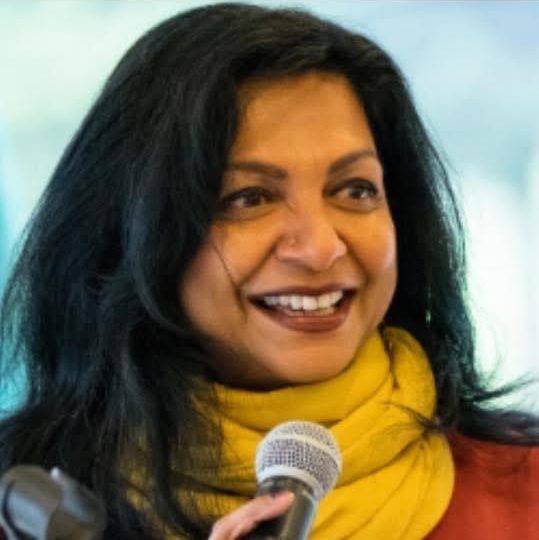
 Soraya M. Deen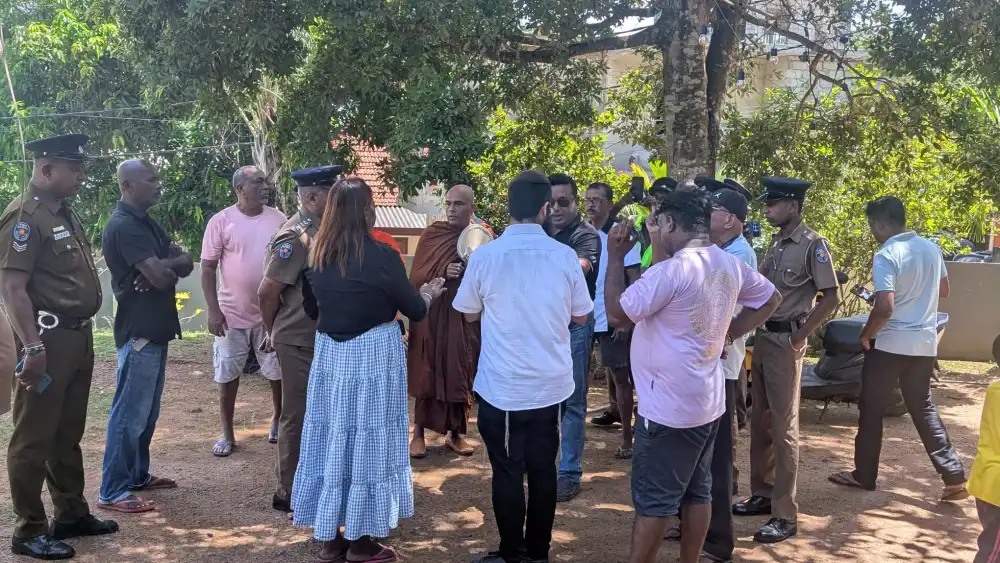
On one of my visits to Jerusalem, I stood during prayer time and heard the beautiful cacophony of the Muslim call to prayer rising from mosques around me. There are over 400 to 450 mosques in Israel, serving the country’s Muslim minority population. Approximately 73 of these mosques are located in Jerusalem.
At the Knesset, I saw prayer facilities for Muslims. The Baha’i community has its world center and magnificent gardens in Haifa. There are Buddhist temples in Israel too. We can have profound political disagreements with Israel.
But there is something beautiful and essential about protecting a person’s freedom to practice their faith. That is why, what happened in Hiriketiya is so troubling—and so alarming in a country whose Buddhist heritage should call us toward compassion, non-judgment, and loving-kindness.
There are conflicting reports about why the protest happened. Some say regulations or permits may not have been properly followed. If that is the case, Sri Lanka can investigate permits, regulate businesses and address legitimate local grievances without turning Jews or Israelis into a collective target.
I am a proud Sri Lankan and I love Buddhism. And precisely because I do, I cannot remain silent when Buddhist monks are associated with hostility toward a Jewish community.
The Buddha taught that- “hatred does not cease by hatred; hatred ceases by non-hatred.” So let us ask: What does it mean when hostility toward Israel is transferred onto Jews who live in Sri Lanka—people who may have nothing to do with Israeli government policy?
Hamas attacked Israel, took hostages, and continues to refuse to disarm. The suffering of Palestinians is real and heartbreaking. But none of this justifies importing the conflict into Sri Lankan villages or treating Jews visiting Sri Lanka as undeserving of their rights to religious freedom. A Jew praying in Hiriketiya is not the Israeli government.
A Chabad House is not a battlefield. A Chabad House is not a synagogue. Chabad Houses around the world function as community centers for Jewish people. They provide places to pray, eat, learn, celebrate religious holidays and find community while traveling.
In a tourist destination such as Hiriketiya, a Jewish community center could also create opportunities for local people—through employment, hospitality, business, cultural exchange and education. Instead of asking, How can we benefit from this new community? are we asking, How can we make them leave? Buddhism does not become stronger by preventing another faith from practicing peacefully.
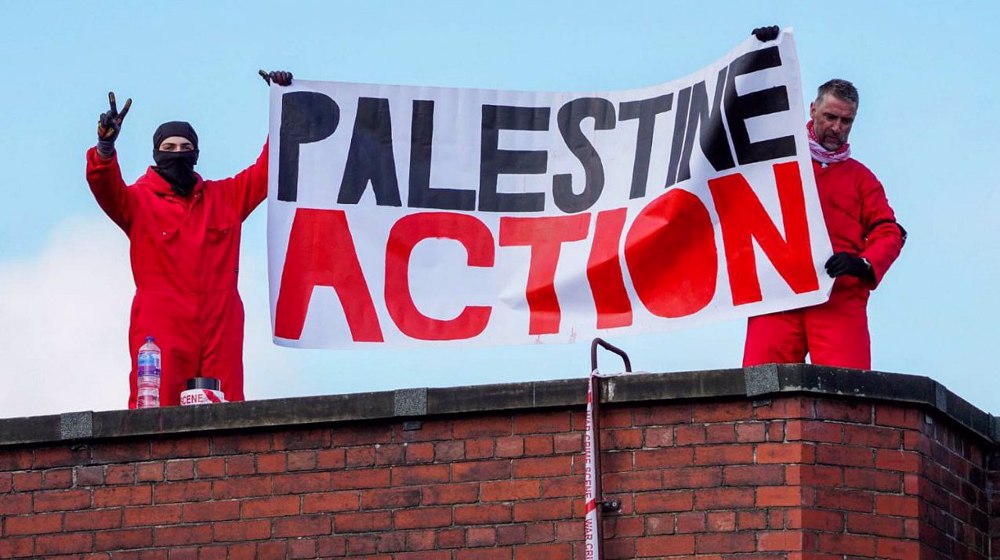
Sri Lanka has suffered enough from the poison of communal hatred. We should not inherit someone else’s conflict and make it our own. And today there is another danger: technology. Look again at these images of the protests.
A local protest can now be photographed, filmed and distributed across social media within minutes. A sign can travel around the world. A confrontation can be taken out of context. Anger can be amplified. And hatred—once it finds an audience—can become contagious. Technology does not create hatred. But technology gives hatred a megaphone.
The irony Sri Lanka must confront is that there are Buddhist temples in Israel. More than 25,000 Sri Lankans work in Israel, and Sri Lankan Buddhists have places where they can worship and practice their faith. Think about that.
A Sri Lankan Buddhist worker in Israel can enter a Buddhist temple and pray. Should a Jewish traveler in Sri Lanka be made to feel unwelcome because he or she is Jewish or Israeli?
We have lived through thirty years of civil war. We know what happens when human beings stop seeing one another as human beings and begin seeing one another as categories. Sinhala. Tamil. Muslim. Christian. Buddhist. Jew. Buddhist monks and community leaders have an enormous responsibility. When monks, priests, imams or other religious leaders publicly mobilize around an issue, people listen.
The messenger matters. Religious authority can be used to calm a community—or to intensify fear of another community. Sri Lanka has seen enough of the second. We should be building bridges, not burning them. This is not about choosing Israel over Palestine. It is important to say this clearly. One can care deeply about Palestinians.
One can criticize the Israeli government. One can oppose Israeli policies. One can advocate for peace and Palestinian rights. None of that requires hatred of Jews. And none of it requires treating an Israeli tourist, a Jewish family or a Jewish community center as the enemy. T
hat is the moral line we must defend. The Palestinian cause does not require Sri Lankans to hate Jews. Justice for Palestinians does not require hostility toward Israeli citizens. We should be capable of holding more than one truth at the same time. President Anura Kumara Dissanayake has an opportunity.
The reported second effort to close the Chabad House should not simply be treated as another local dispute. The government should ensure that legitimate regulatory questions are handled through the law. But it should also make something else unmistakably clear: Sri Lanka will not tolerate discrimination or hostility against people because they are Jewish or Israeli. That is not taking Israel’s side. That is taking Sri Lanka’s side. It is defending the Sri Lanka we want to be.
A Sri Lanka where a Buddhist can build a temple. A Muslim can build a mosque. A Christian can build a church. And a Jew can establish a community center. If we truly believe in religious freedom, we must defend it when the religion belongs to someone else. That is the test of Sri Lanka’s pluralism.
Soraya Marikar Deen is a Sri Lankan, born lawyer and an author. She is the Co-chair of the women’s working group of the International Religious Freedom Roundtable in Washington DC. The community organizer, her work prioritizes Jewish- Muslim Relations.
 A.Jathindra