
Sri Lanka is witnessing the rise of a dangerous ideology disguised as virtue: antizionism that increasingly spills into outright antisemitism. As a Muslim, I find it exhausting and deeply alarming. I have watched its ugly tentacles spread into my homeland thousands of miles away from the Middle East. First, it was hostility toward Israeli tourists visiting Sri Lanka. Then came campaigns against a Chabad house, as if Jewish worship itself were somehow offensive.
Now Sri Lankan activists sail in flotillas toward Israel, turning one of the world’s most tragic conflicts into ideological theatre. But beneath the slogans lies a disturbing truth: modern antisemitism often hides behind the language of justice, liberation, and human rights. Terrorists who massacre Jewish civilians are romanticised as “resistance.” Jewish history is erased. Jewish indigeneity is denied. Jewish trauma is dismissed as politically inconvenient. Jews alone are told they have no right to self-determination. That is not justice. That is prejudice. The war in Gaza did not begin in a vacuum.
On 7 October, Hamas slaughtered civilians, kidnapped families, and shattered any remaining trust Israelis had in coexistence. Today, most Jewish Israelis genuinely fear living beside another Hamas-controlled entity. Yet the global conversation demands total responsibility from Israel while asking almost nothing of Hamas or Palestinian leadership. Where is the demand for accountability from Hamas? Where is the outrage that Hamas embedded itself among civilians, built tunnels beneath neighbourhoods, and prolonged a war that has devastated Palestinians themselves?
Peace cannot emerge while one side is expected to guarantee security and the other is excused from responsibility. As Muslims, we should also remember something many activists conveniently ignore: Jews and Muslims are deeply connected religiously and historically. Jews are recognised in Islam as People of the Book. Islam permits Muslim men to marry Jewish women without conversion. Both faiths are rooted in uncompromising monotheism and trace themselves to Abraham.
The Jewish connection to the land of Israel is not a modern political invention. It is ancient and acknowledged throughout Islamic tradition itself. Zionism, at its core, simply means the legitimate aspiration of the Jewish people to live safely in their ancestral homeland. Supporting Palestinian dignity does not require denying Jewish nationhood. In fact, much of the Arab world itself is moving beyond this endless politics of rage. Countries such as the United Arab Emirates, Saudi Arabia, Jordan, and Egypt increasingly understand that economic partnership and regional cooperation matter more than perpetual ideological warfare.
The India–Middle East economic corridor could reshape global trade in the coming decades. India, Gulf nations, and Israel are building strategic partnerships for the future. Sri Lanka cannot afford to isolate itself through imported extremism and performative outrage. Over 30,000 Sri Lankans work in Israel today. They support families back home and contribute to our economy. Yet while other nations are building bridges, parts of Sri Lankan society are normalising hostility toward Jews.
It is hypocritical. Sri Lanka, above all countries, should understand the danger of collective blame. During our own ethnic conflict, tens of thousands died and hundreds of thousands fled abroad after the 1983 riots. Imagine if Sri Lankans everywhere were treated as permanent villains because of our history. We would call that racism immediately. Yet when Jews are targeted collectively, too many remain silent. Criticising Israeli government policies is legitimate. Demonising Jews is not.
Chanting slogans in Colombo will not liberate Palestinians. Symbolic flotillas will not bring peace. Only Israelis and Palestinians themselves — through mutual recognition, security guarantees, responsible leadership, and compromise — can end this conflict. Sri Lanka should stand for coexistence, realism, and humanity — not imported hatred masquerading as activism.
Soraya M. Deen is a Sri Lankan lawyer, Muslim feminist, and award‑winning international activist, community organiser, interfaith advocate, and public speaker. She is the founder of the Muslim Women Speakers Movement. The women involved in this initiative work in areas addressing religious extremism, antisemitism, hate, gender equality, and public leadership.
Soraya is actively engaged in promoting peace between Palestine and Israel. She has travelled extensively to the Holy Land and the West Bank, where she collaborates with Palestinian grassroots activists.

 A.Jathindra
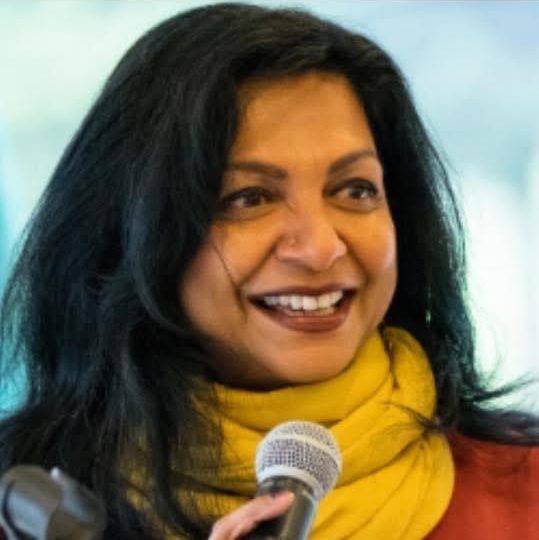 Soraya M. Deen