With Sheikh Hasina’s Awami League out of power, the BNP-led coalition has claimed a historic victory, while Jamaat-e-Islami has emerged as the main opposition with 68 seats. How do you interpret this outcome for Bangladesh’s political future?
The election marks a historic moment in Bangladesh’s political trajectory. The BNP-led coalition’s landslide, coupled with Jamaat-e-Islami’s emergence as a strong parliamentary opposition, signals both continuity and change. On one hand, it reflects a decisive shift in voter sentiment and a desire for new leadership. On the other, it highlights that opposition forces remain significant players in shaping parliamentary debate and public discourse. The political future will depend on whether the new government can leverage its mandate responsibly, maintain stability, and deliver governance that addresses pressing socio-economic challenges, while allowing space for constructive parliamentary opposition. Managing polarization will be key to ensuring that this victory translates into sustainable political progress rather than cyclical confrontation.
Analysts argue the BNP’s win could reshape regional alignments after years of pro-India policy under the Awami League. Under Tarique Rahman’s leadership, how do you see the future of India–Bangladesh relations, particularly in light of concerns about potential friction?
India and Bangladesh share deep historical, economic, and strategic ties. While policy priorities may shift under the BNP, the long-term relationship is likely to remain constructive. Prime Minister Tarique Rahman’s leadership will require balancing domestic nationalist expectations with the practical benefits of strong regional cooperation. Potential friction may arise on border management, trade, or infrastructure projects, but both countries have strong institutional and people-to-people connections that provide a framework for dialogue. I expect Dhaka will seek a pragmatic approach: maintaining cooperation on trade, energy, and connectivity while asserting Bangladesh’s sovereignty and domestic priorities.
Some suggest Islamabad may seize opportunities for renewed engagement, particularly with Jamaat-e-Islami, whose ideology is viewed as closer to Pakistan’s. Do you see this dynamic taking shape, potentially steering Dhaka away from its long-standing partnership with India? How would you assess this possibility?
While historical and ideological links may create space for engagement between Pakistan and certain political actors in Bangladesh, the country’s foreign policy is ultimately shaped by strategic and economic considerations. Pakistan’s engagement is unlikely to fundamentally redirect Dhaka’s long-standing cooperation with India, given the deep interdependence in trade, energy, and regional security. What is more plausible is selective engagement on specific issues, without altering Bangladesh’s broader regional alignment. Dhaka’s leadership is likely to maintain pragmatic diplomacy: balancing relationships with multiple partners while protecting national interests and sovereignty.
The BNP’s victory has been described as a “paradigm shift” in foreign policy. Some believe it could expand Beijing’s influence, while others point to U.S. outreach to Jamaat-e-Islami as part of a balancing act. Amid concerns about China’s growing influence in South Asia, how do you interpret these shifts, and what geopolitical challenges lie ahead for Bangladesh?
Bangladesh is increasingly navigating a multipolar world, where strategic autonomy is essential. China’s economic and infrastructure engagement offers opportunities, particularly in connectivity and investment, but requires careful management to avoid over-dependence. Simultaneously, relationships with the United States, Europe, and regional neighbors remain important. The new government will need to balance these partnerships thoughtfully, maintaining sovereignty while leveraging foreign investment and diplomatic support. Geopolitically, the challenges include managing great-power competition in South Asia, safeguarding economic and security interests, and ensuring domestic consensus on foreign policy directions. Strategic pragmatism, rather than ideological alignment, will likely define Bangladesh’s approach in the coming years.
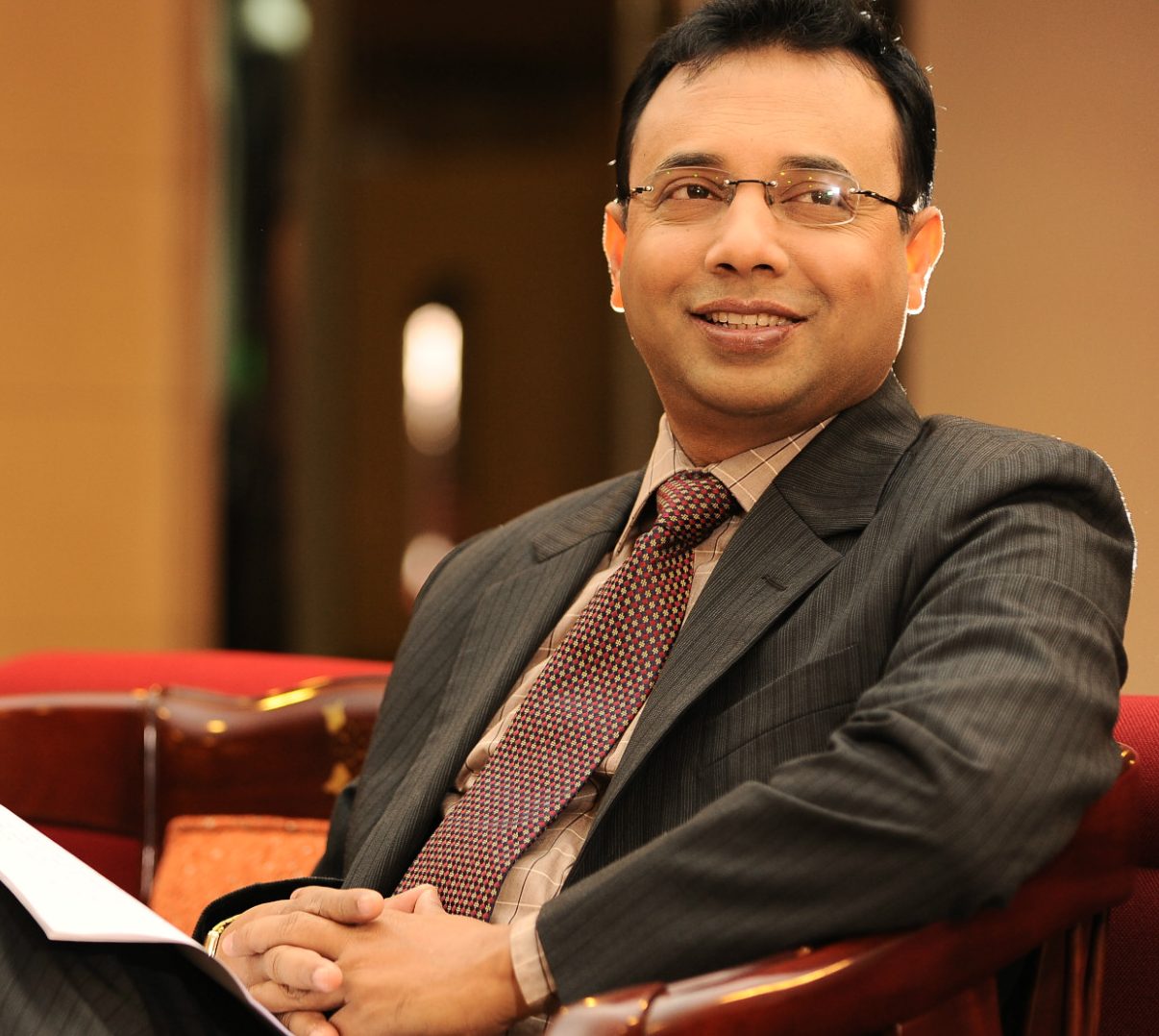
Zillur Rahman is the President of the Center for Governance Studies in Bangladesh. Zillur a leading journalist, broadcaster and media consultant is considered to be one of the most successful television program anchors of the country. He is a definite “trend setter” in the history of television channel programs in Bangladesh. He is the founder, director and host of the widely popular daily television talk show “Tritiyo Matra” (The 3rd Dimension) for which he has produced more than 8000 episodes, over the last 23 years since July 2003.